
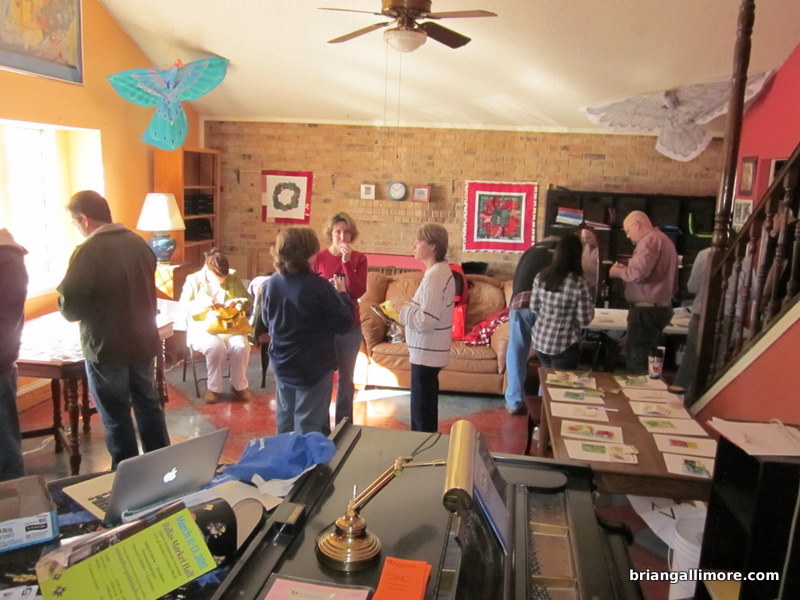
I participated in a seed swap meeting today. The miracle of the Interwebs brought together a group of about 30 people who were interested in meeting up to swap out seeds with each other. That alone was amazing to me. I picked up some pretty cool seeds, and got to hear from several other gardeners and learn how they make things grow.

Subscribe to Blog via Email
Recent Comments
- Adding Low Oil Pressure Safety Stop to Kohler 7000 | Brian Gallimore's Blog on Wiring Schematic for Bad Boy ZTE Mower
- Philmont Scout Ranch Backpacking Trek 2026 | Brian Gallimore's Blog on Philmont Scout Ranch Backpacking Trek
- Elaine on Undocumented Secrets of Integrating BACnet MSTP
- Kent Hervey on Interior trailer lights
- Hector Flores on Quadrasteer / Dana 60 Rebuild How-To (ring, pinion, carrier replacement)
Top Posts
- Relay Terminal Standard Numbers
- Quadrasteer / Dana 60 Axle Differences and Similarities
- Private RoIP (Radio over IP) System
- Quadrasteer / Dana 60 Rebuild How-To (ring, pinion, carrier replacement)
- Post Turtle
- Time Average in Ladder Logic (ControlLogix AOI)
- Winning At All Costs
- Garden Update: May 22, 2010
- Bryson is Buzz Lightyear
- Guts or Balls
Resume
Bookmarks
Archives
Categories
-
Recent Posts
-

Meta